
Regulatory compliance in industrial operations involves complex documentation requirements, regular safety checks, and comprehensive record-keeping that traditionally consume significant administrative resources. Manual compliance processes are prone to errors, gaps in documentation, and inconsistent implementation across different shifts and locations. Smart telematics systems transform compliance management from labor-intensive manual processes to automated, systematic approaches that ensure consistent regulatory adherence while reducing administrative burden.
Automated Safety Documentation and OSHA Compliance
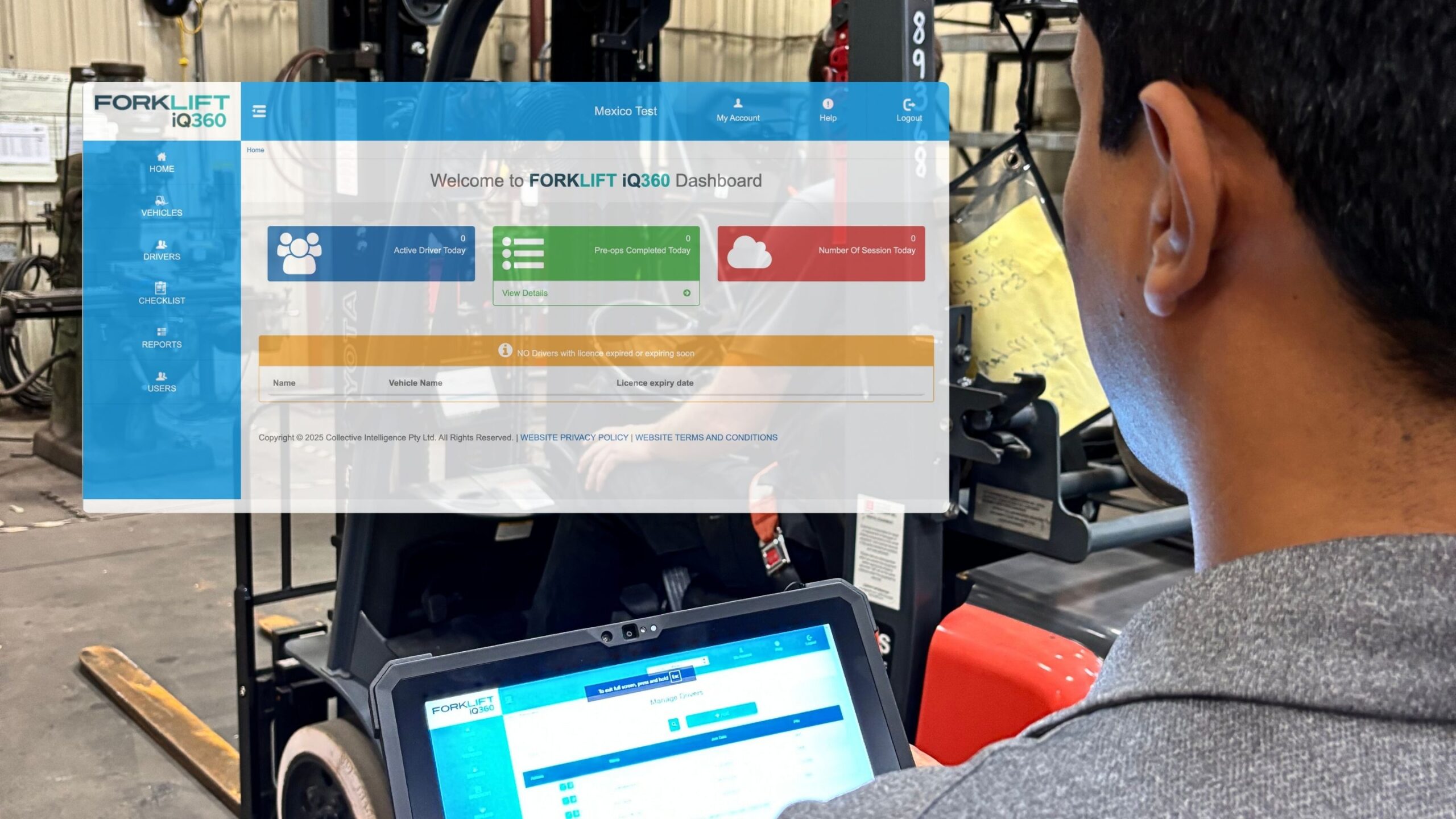
Smart telematics systems automatically generate comprehensive safety documentation required for regulatory compliance. Electronic pre-shift checklists create permanent records of safety inspections with timestamps, operator identification, and detailed results that meet OSHA documentation standards. Impact monitoring systems automatically log incident data, severity levels, and operational circumstances, creating comprehensive accident records that support compliance reporting. This automated approach eliminates manual record-keeping errors, ensures operator certification tracking, and automatically flags compliance gaps or expired certifications.
Real-Time Compliance Monitoring and Audit Preparation
Advanced telematics platforms provide real-time compliance monitoring that identifies potential violations before they occur and alerts supervisors to take corrective action. The systems track operator certifications, equipment inspection schedules, and safety protocol adherence, providing immediate notifications when compliance issues arise. For audit preparation, automated reporting capabilities generate compliance summaries, safety performance metrics, and detailed documentation that auditors require, significantly reducing preparation time and ensuring complete documentation availability with historical compliance data and trend analysis.
Multi-Location Management and Continuous Improvement
For organizations operating across multiple locations, telematics systems provide centralized compliance management that ensures consistent regulatory adherence regardless of geographic distribution. The systems standardize compliance processes across all locations, provide centralized monitoring of compliance status, and enable uniform reporting practices. Automated compliance systems enable continuous improvement through data analysis that identifies compliance trends, recurring issues, and optimization opportunities, creating improvement cycles that progressively strengthen regulatory adherence and reduce compliance risks over time.
Ready to automate your regulatory compliance and reduce administrative burden? Contact Collective Intelligence Group today to learn how smart telematics systems streamline compliance requirements and ensure consistent regulatory adherence. Schedule a compliance automation demonstration.