
Industrial vehicle operations face constant safety challenges where impacts, collisions, and equipment mishandling can result in costly accidents, equipment damage, and workplace injuries. Traditional fleet management approaches rely on reactive measures after incidents occur, leaving organizations vulnerable to preventable accidents and their associated costs. XQ360 impact sensing telematics transforms safety management through proactive monitoring that detects, analyzes, and reports impact events in real-time, enabling immediate response and systematic safety improvements across industrial operations.
Understanding XQ360 Impact Sensing Technology
XQ360‘s impact sensing capabilities continuously monitor vehicle treatment and operational conditions, automatically detecting when impacts occur during normal operations. This advanced monitoring system captures detailed information about impact events, including timing, operational context, and severity levels that help organizations understand not just when incidents happen, but the circumstances surrounding each event. The technology integrates seamlessly with XQ360‘s comprehensive telematics platform, ensuring impact data becomes part of the broader operational intelligence that drives safety improvements and equipment management decisions.
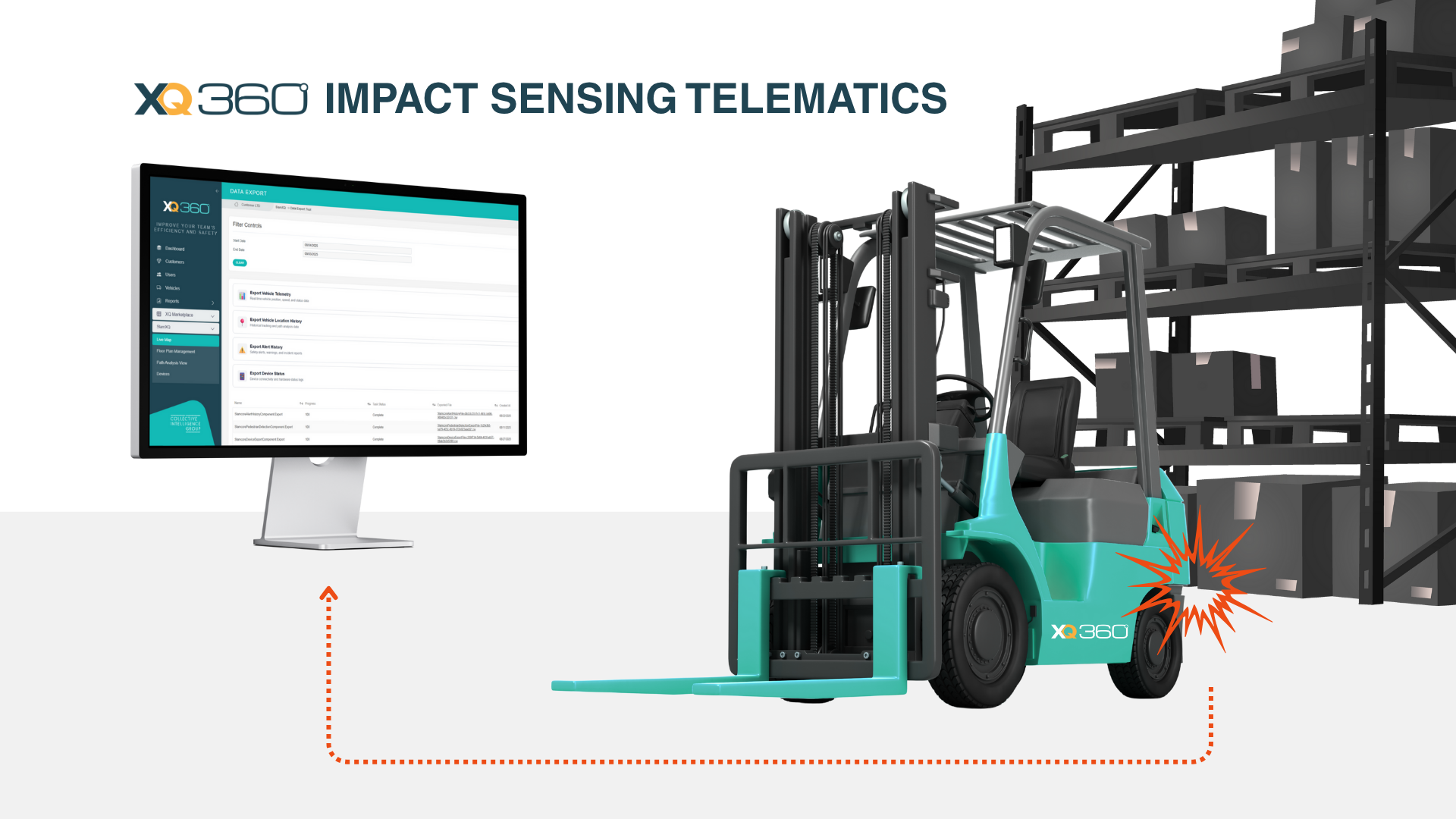
Real-Time Safety Alerts and Comprehensive Reporting
When XQ360 impact sensing detects significant events, the system immediately generates real-time safety alerts that notify supervisors and safety personnel of potential incidents requiring attention. These immediate notifications enable rapid response to accidents, ensuring that injured operators receive prompt medical attention and equipment damage is assessed quickly. XQ360 also generates detailed impact reports that provide comprehensive analysis of safety events across fleet operations, enabling organizations to identify patterns, trends, and risk factors that contribute to accidents and equipment damage through objective data rather than subjective observations.
Data-Driven Safety Improvements and Training
Impact sensing data reveals specific areas where operators may benefit from additional training or where operational procedures require modification to reduce accident risks. By analyzing impact patterns across different operators, shifts, and operational areas, organizations can identify targeted training opportunities that address actual safety challenges rather than generic safety topics. This data-driven approach to safety training ensures that educational resources focus on real operational risks and demonstrated improvement needs, maximizing the effectiveness of safety investments and creating systematic safety improvements based on objective operational data.